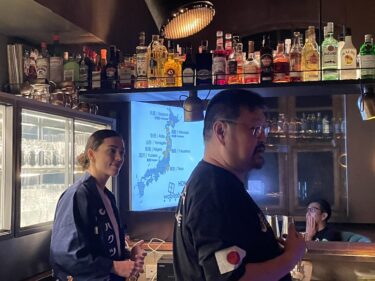
― 現場から見た、日本文化と海外市場のリアル―
文化・食・地域性を軸に、海外の現場で得た実務的な知見と考察の記録。
本レポートは、西田卓が海外の現場で実際に経験した商談、文化交流、視察、イベント運営、料理人との対話などを通じて得た学びや気づきを記録としてまとめたものです。
単なる活動報告ではなく、日本文化や地域性、食文化の本質が海外でどのように受け止められているのかを現地視点から捉え直し、今後の海外展開を検討されている企業様や自治体様にとって実務的な参考資料となることを目的としています。
活動の一部には、日本の歴史・文化・地域性を実体験として学ぶ研修型プログラム
「WABITABI」の取り組みも含まれており、観光とは異なる視点から日本文化の価値を伝える実践的な活動として継続しています。
ここに記載されている内容は、現地での対話や経験から得た個人的な考察であり、特定の団体や企業の公式見解ではありません。海外の現場で感じたリアルな温度感が、これから挑戦される方々にとって小さなヒントとなれば幸いです。
■Suguru Nishida | Overseas Business Report “Rio de Janeiro, Brazil ②: Participating in the Emperor’s Birthday Reception at the Consulate General of Japan in Rio de Janeiro”
- A Real-Life Look at Japanese Culture and Overseas Markets –
A record of practical insights and observations gained from overseas work, focusing on culture, food, and regional characteristics.
This report is a compilation of the lessons and insights that Taku Nishida gained through his overseas experiences, including business negotiations, cultural exchanges, inspections, event management, and conversations with chefs.
More than a simple activity report, this report aims to reexamine how the essence of Japanese culture, regional characteristics, and culinary culture is perceived overseas from a local perspective, and serve as a practical reference for companies and local governments considering future overseas expansion.
Part of this activity also includes the “WABITABI” training program, which provides hands-on learning about Japanese history, culture, and regional characteristics.
This program continues as a practical initiative to convey the value of Japanese culture from a non-tourism perspective.
The content presented here represents personal observations based on on-site conversations and experiences and does not represent the official views of any particular organization or company. It is our hope that the real-world impressions gained overseas will provide insights for those embarking on such ventures.
② 在リオデジャネイロ日本国総領事館 天皇誕生日レセプション参加
― 熊本の酒文化PRと現地市場の温度感について
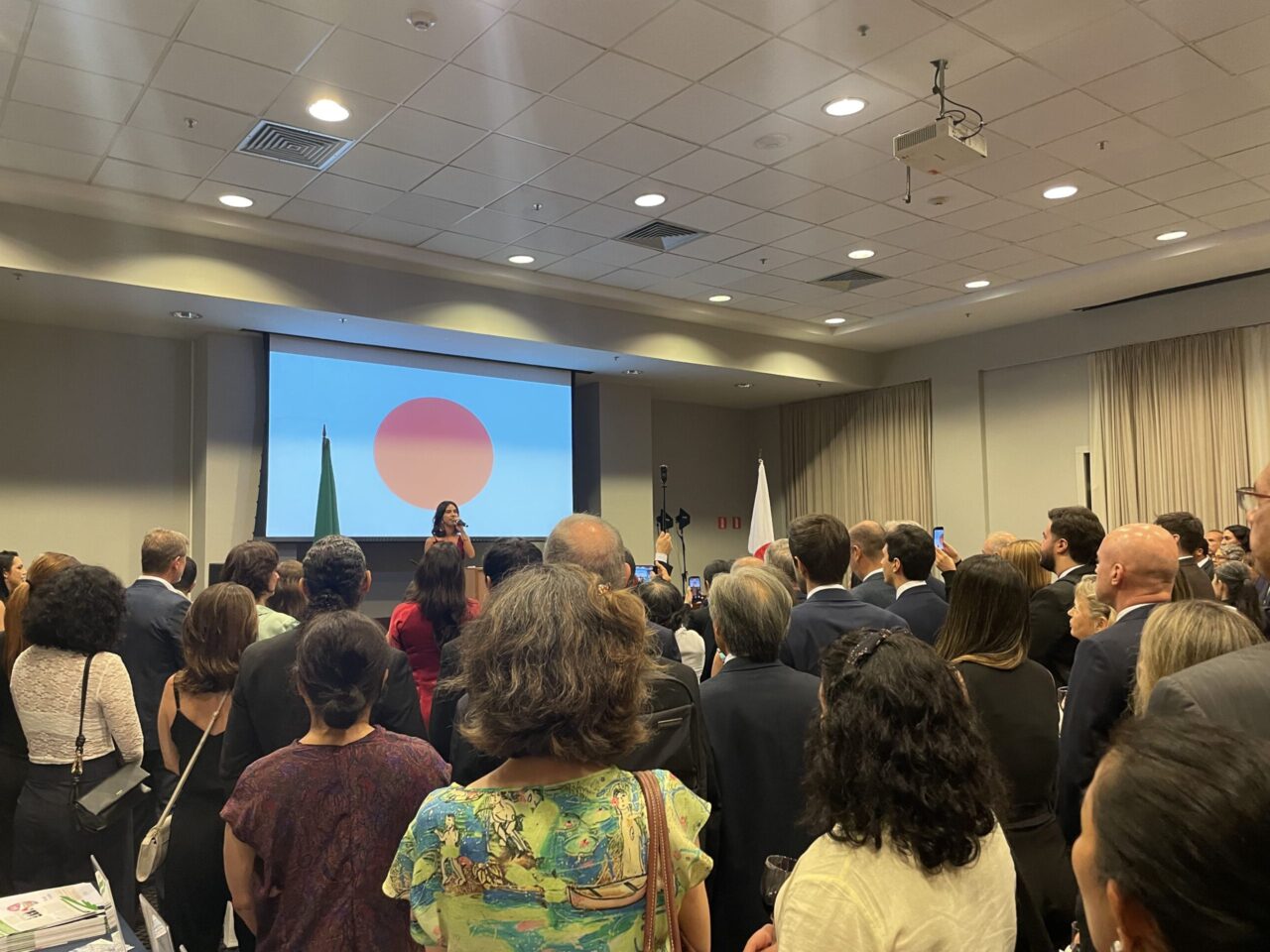
今回のリオデジャネイロ滞在では、在リオデジャネイロ日本国総領事館にて開催された天皇誕生日レセプションへ参加しました。本レセプションは、日本とブラジルの関係者が集う重要な外交・文化交流の場であり、現地の経済界、飲食関係者、文化関係者など幅広い層が参加されていました。
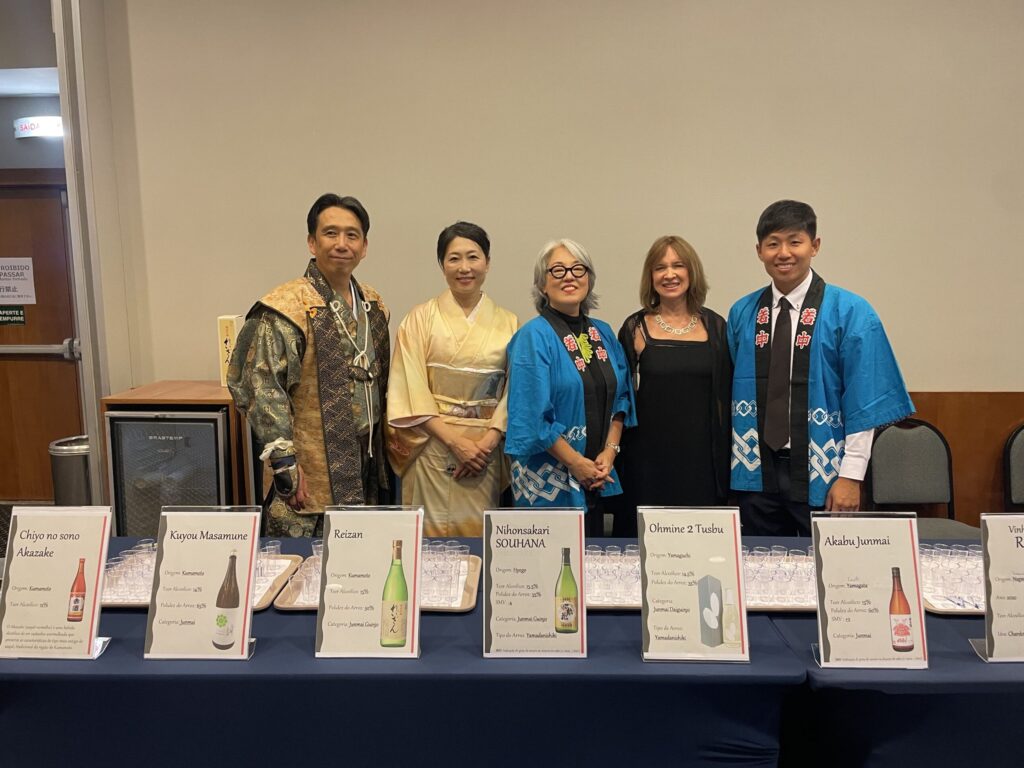
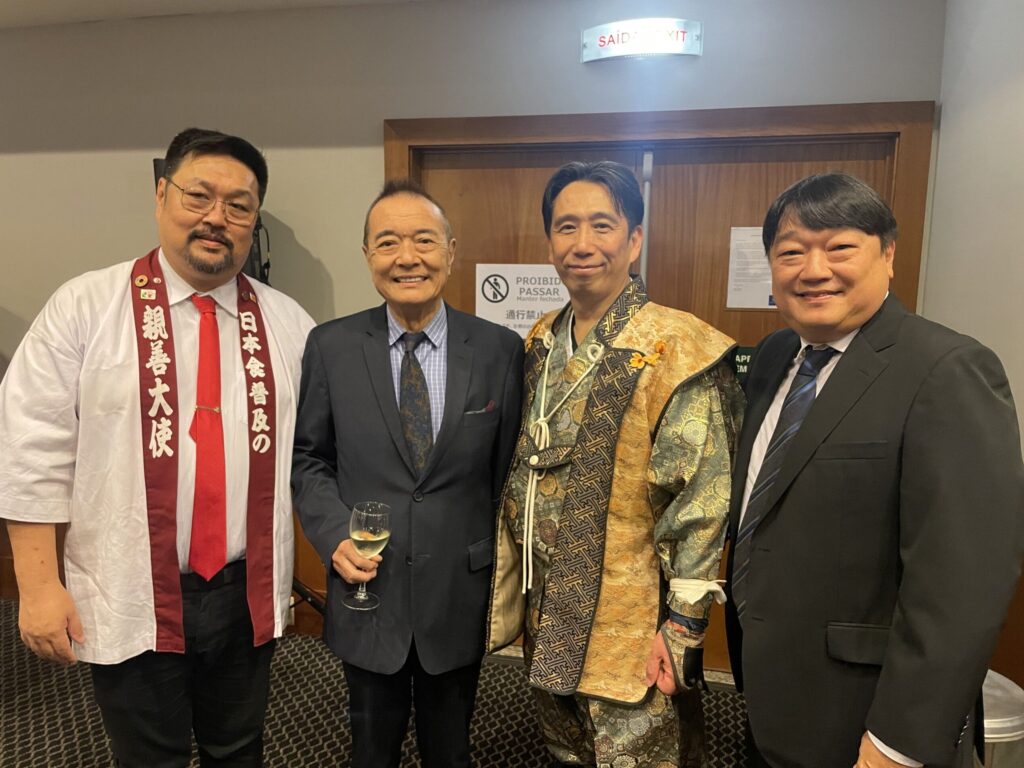
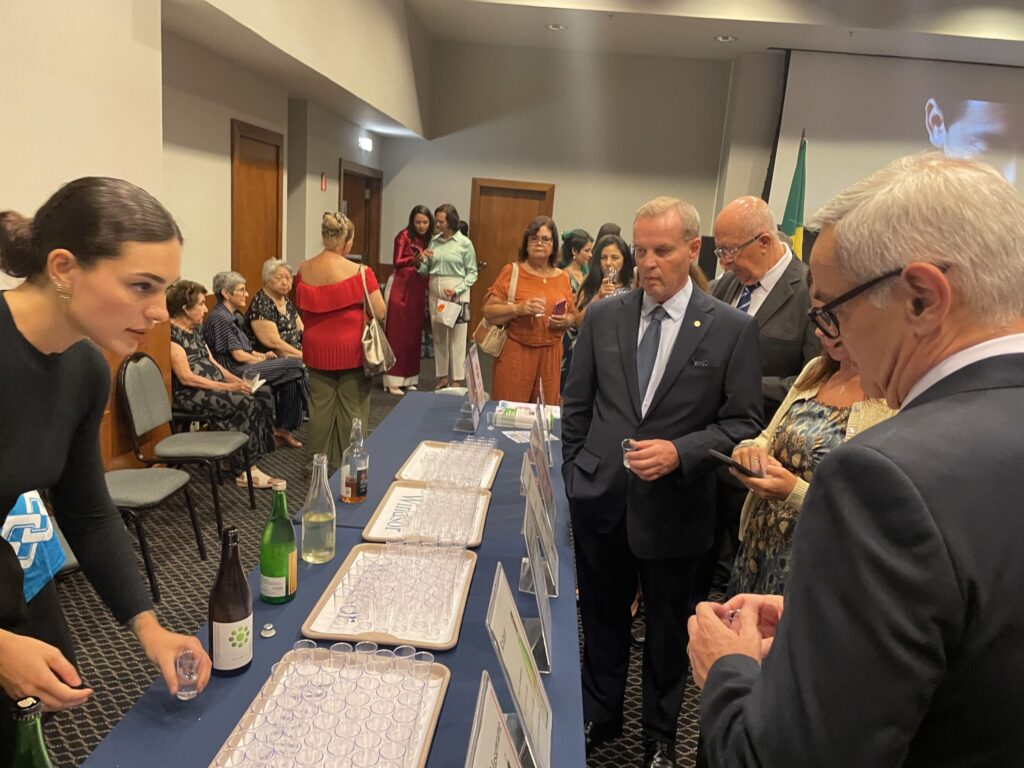
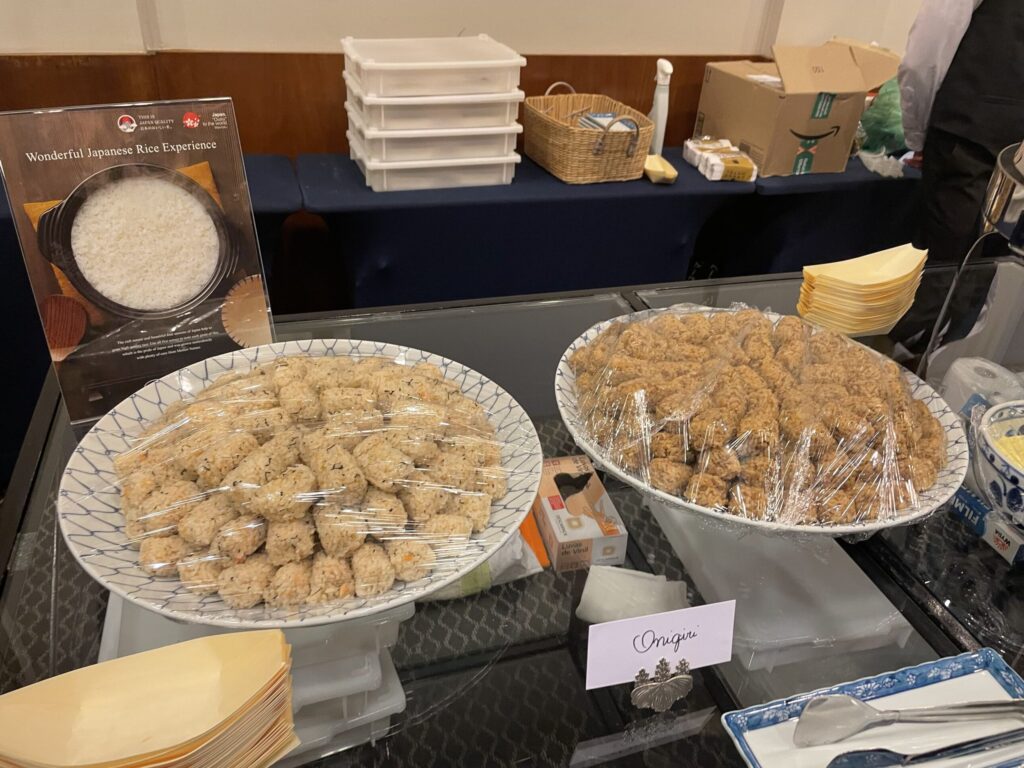
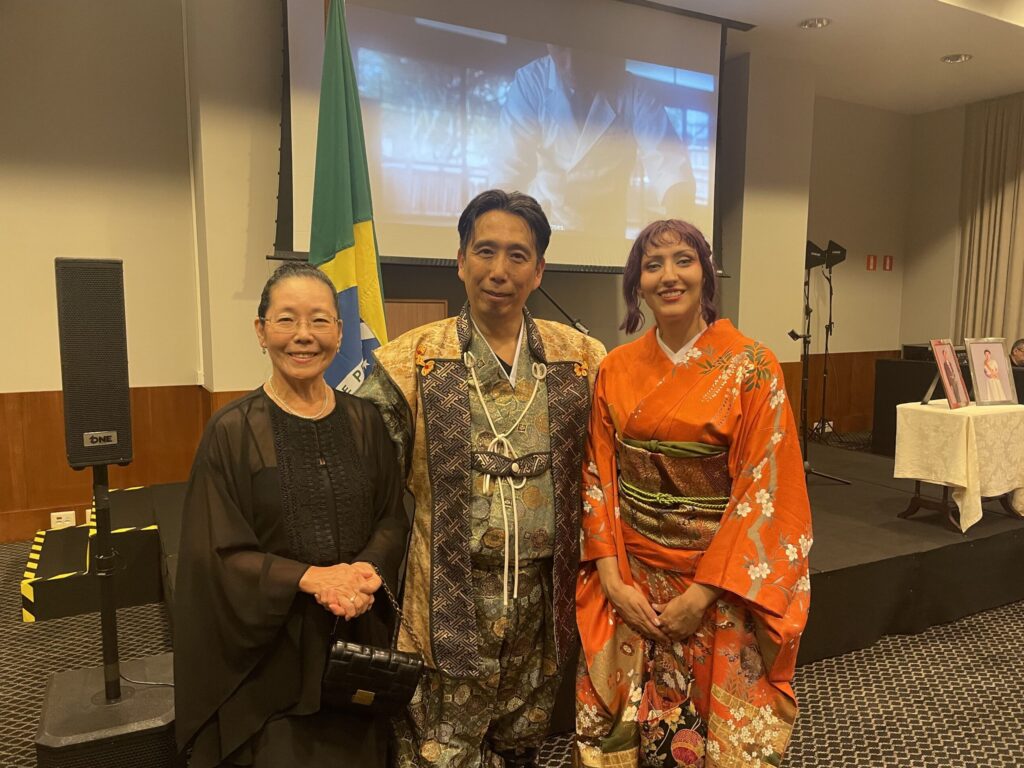
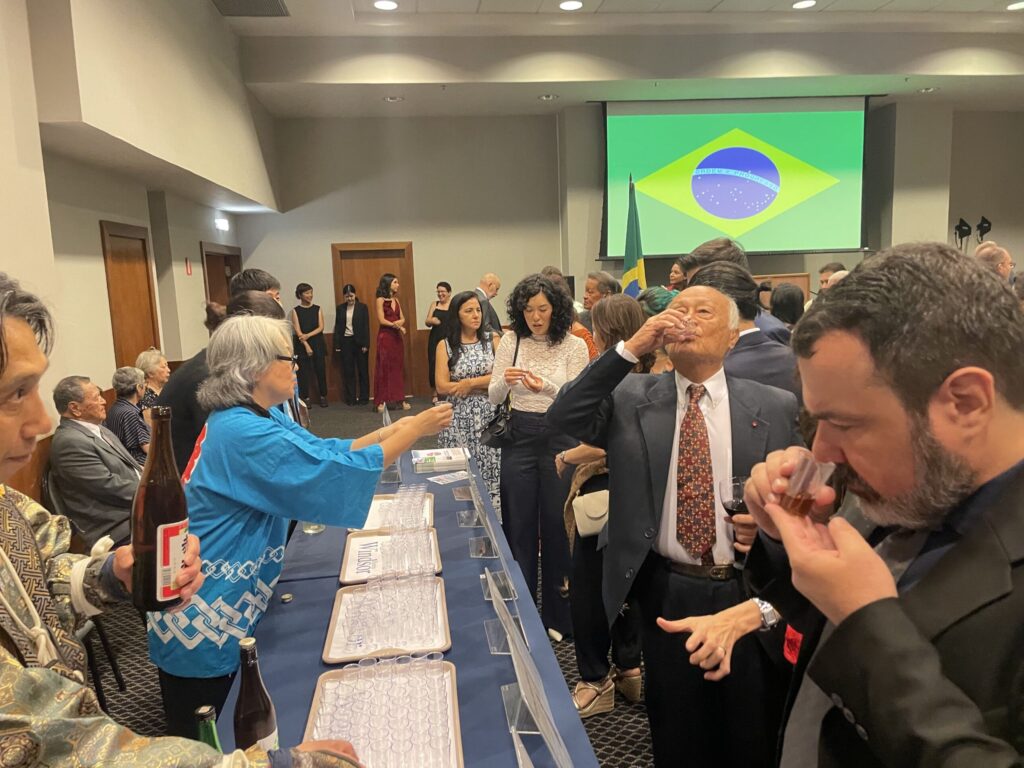
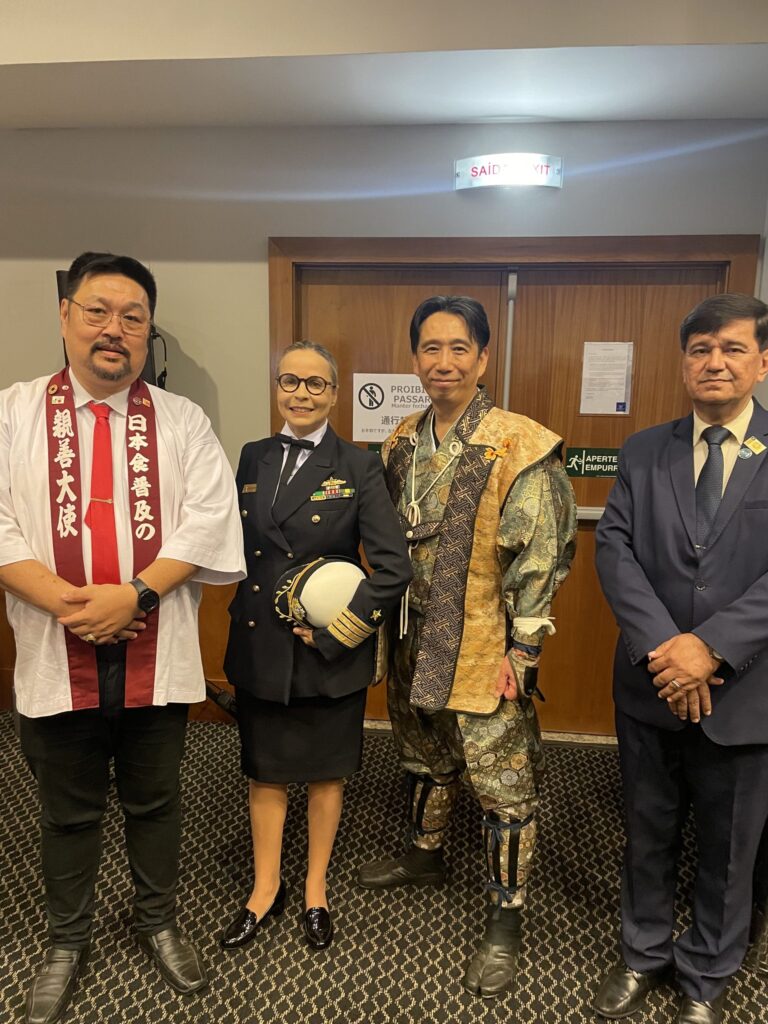
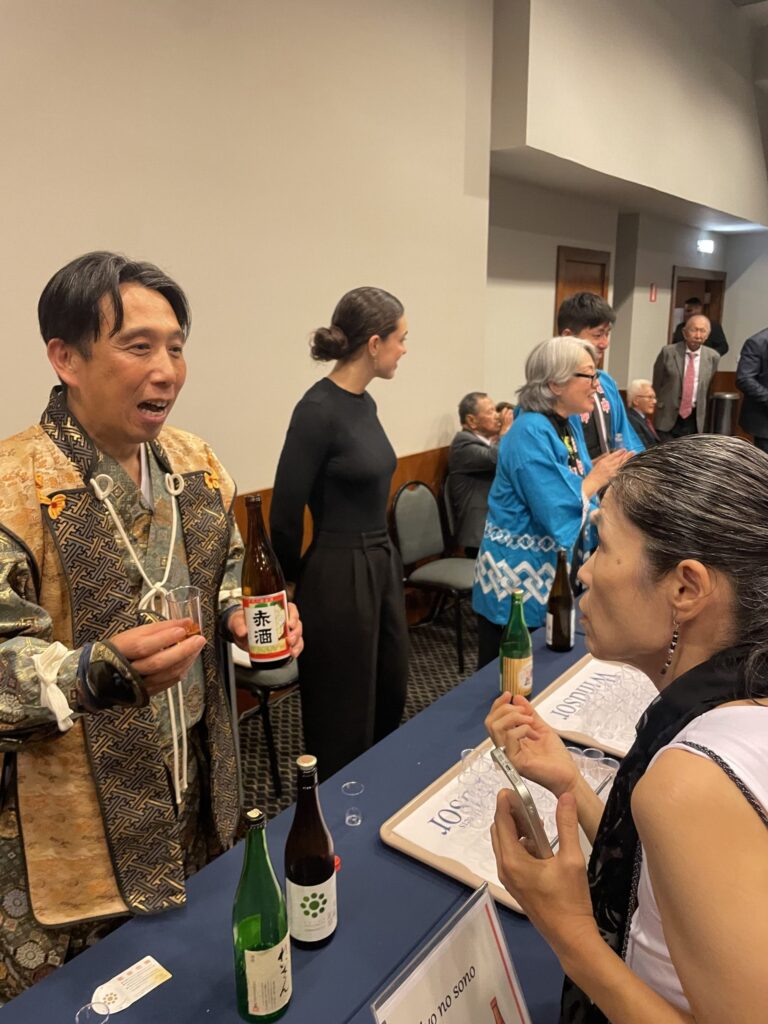
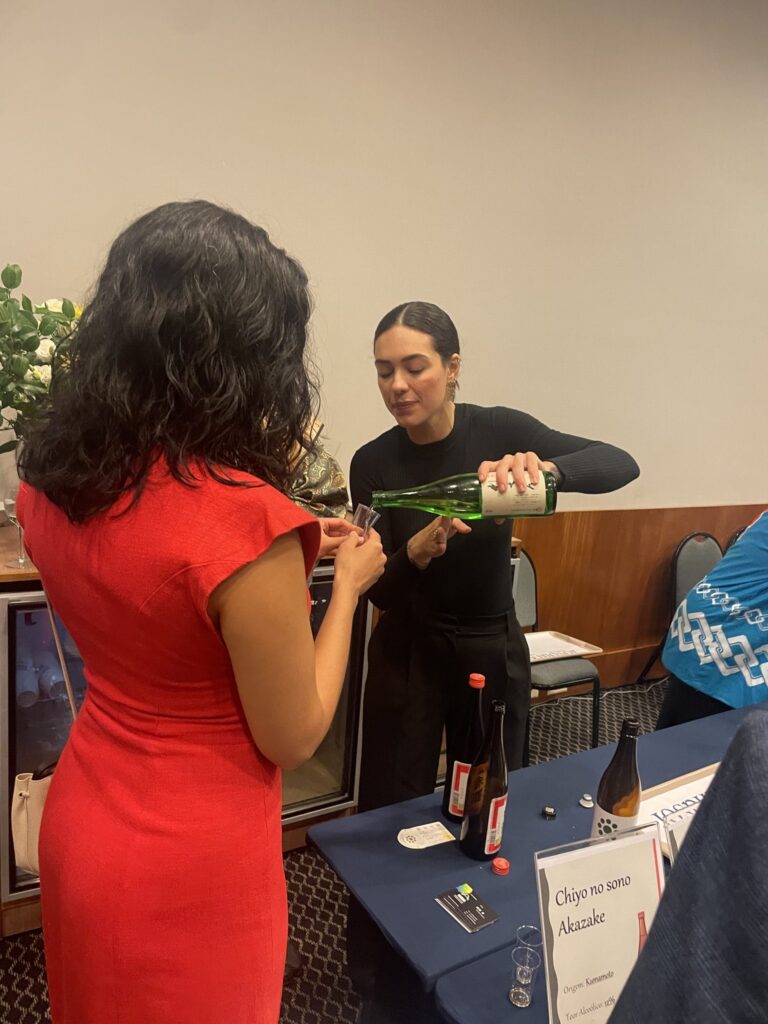
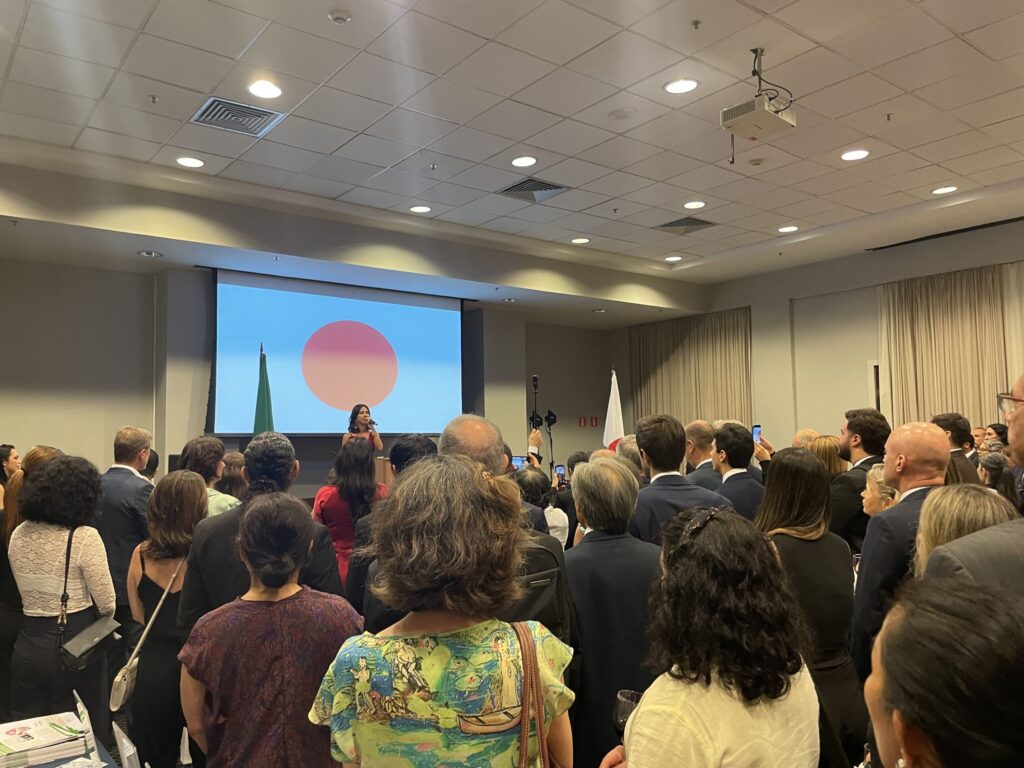
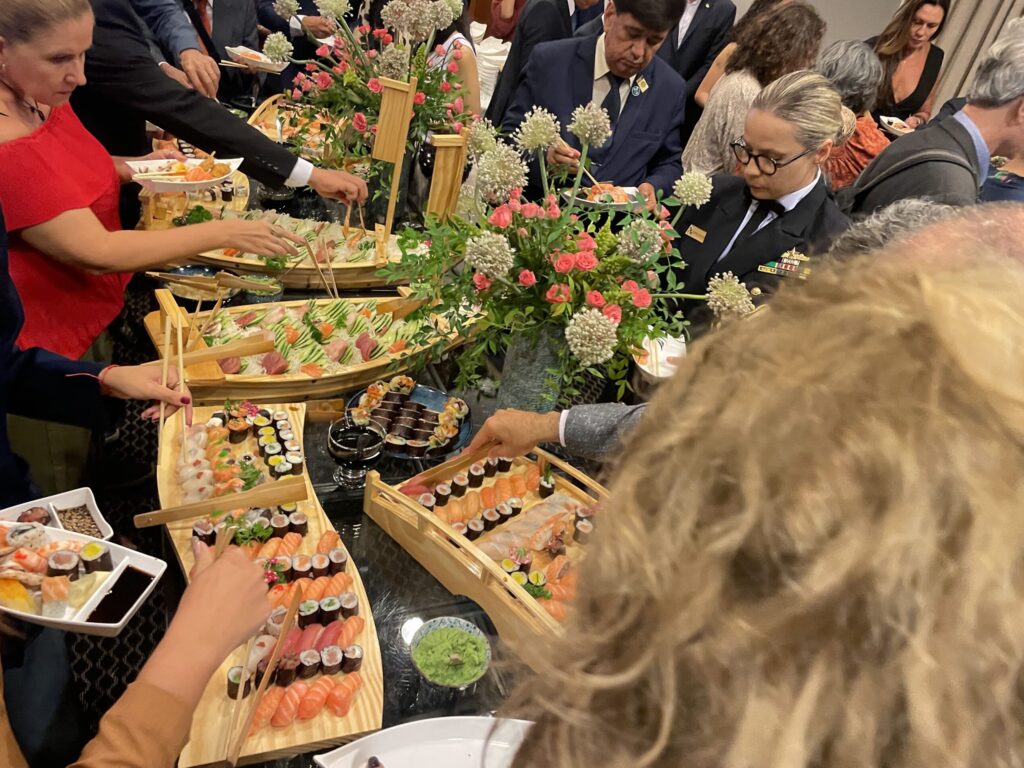
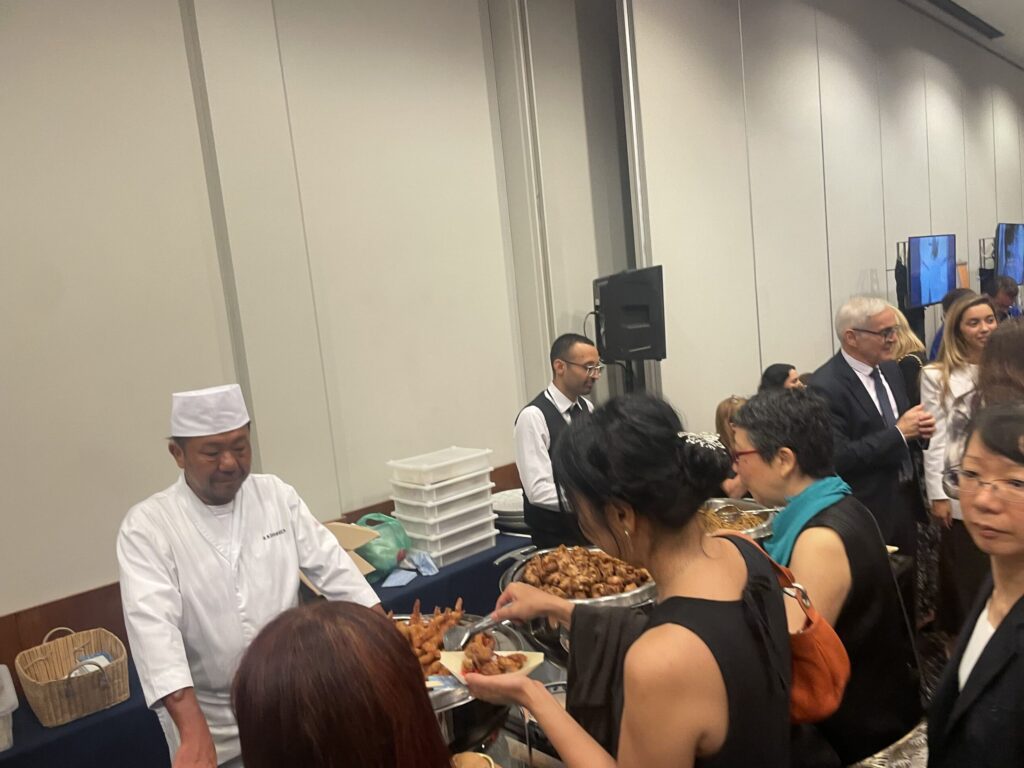
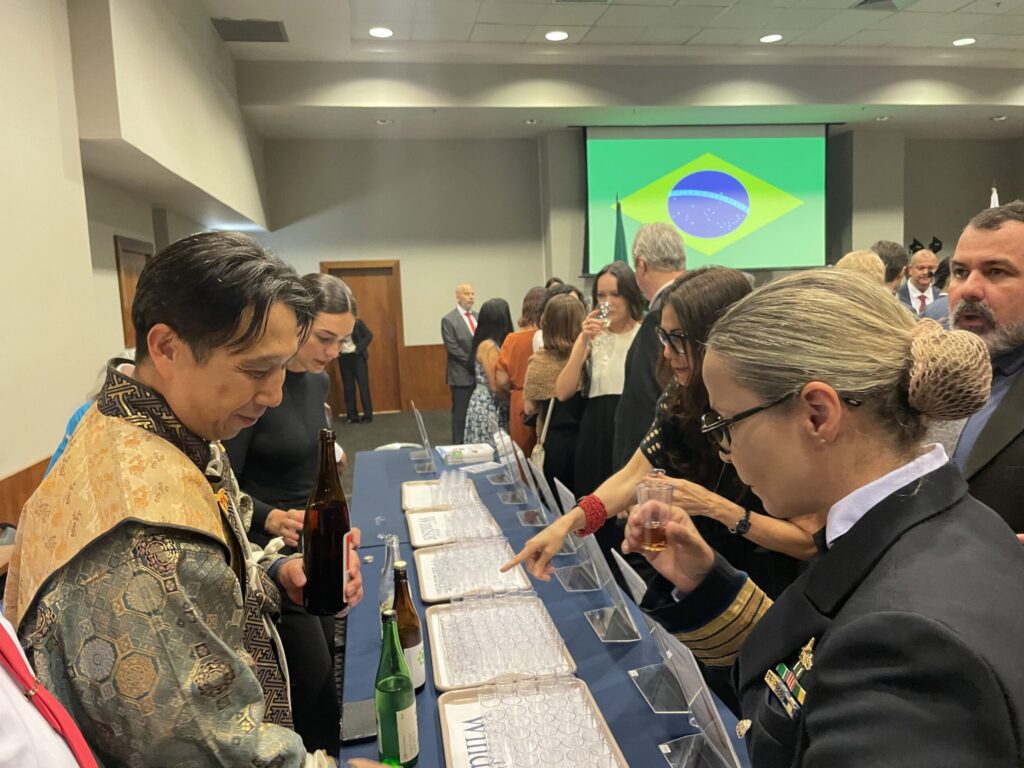
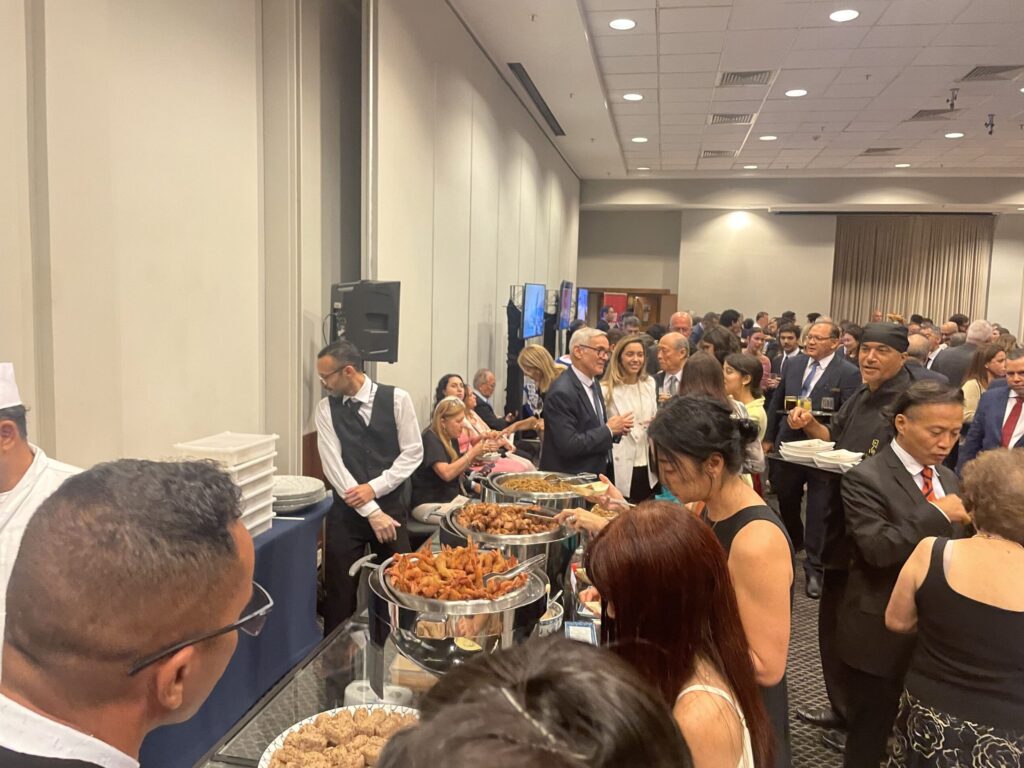
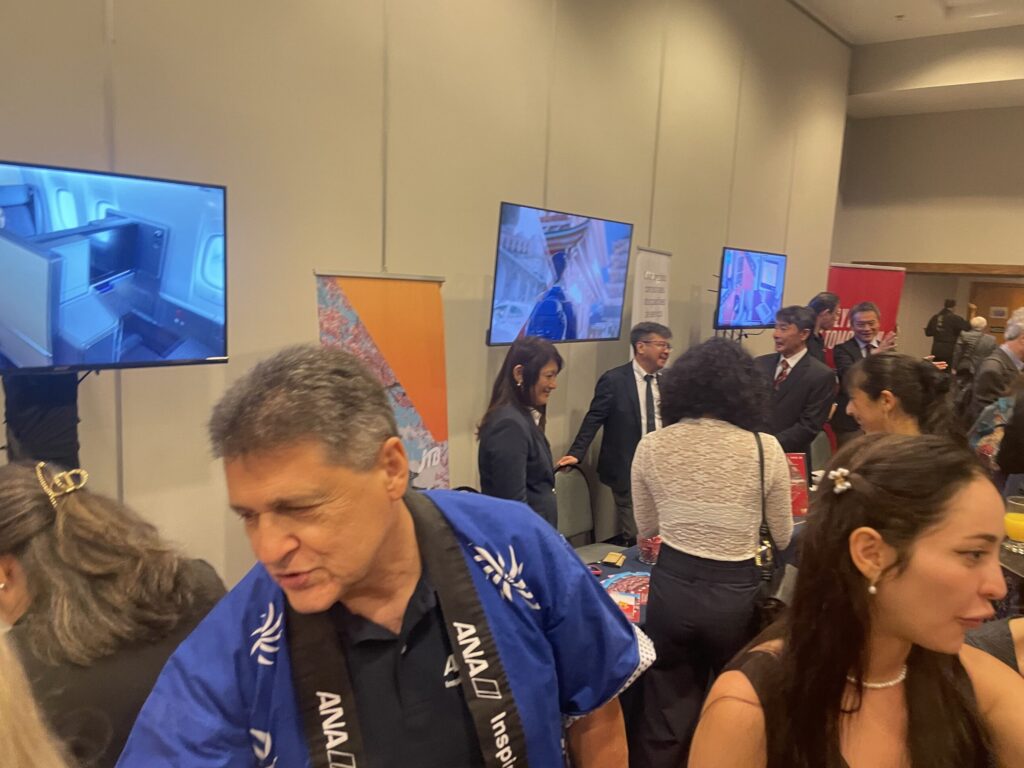
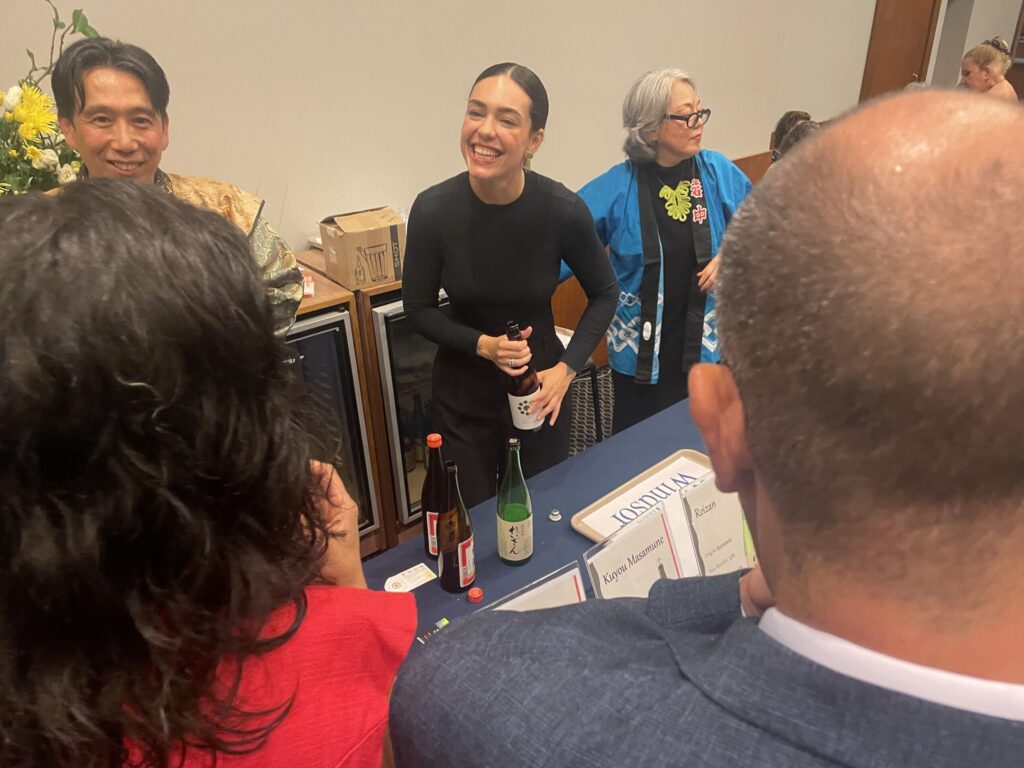
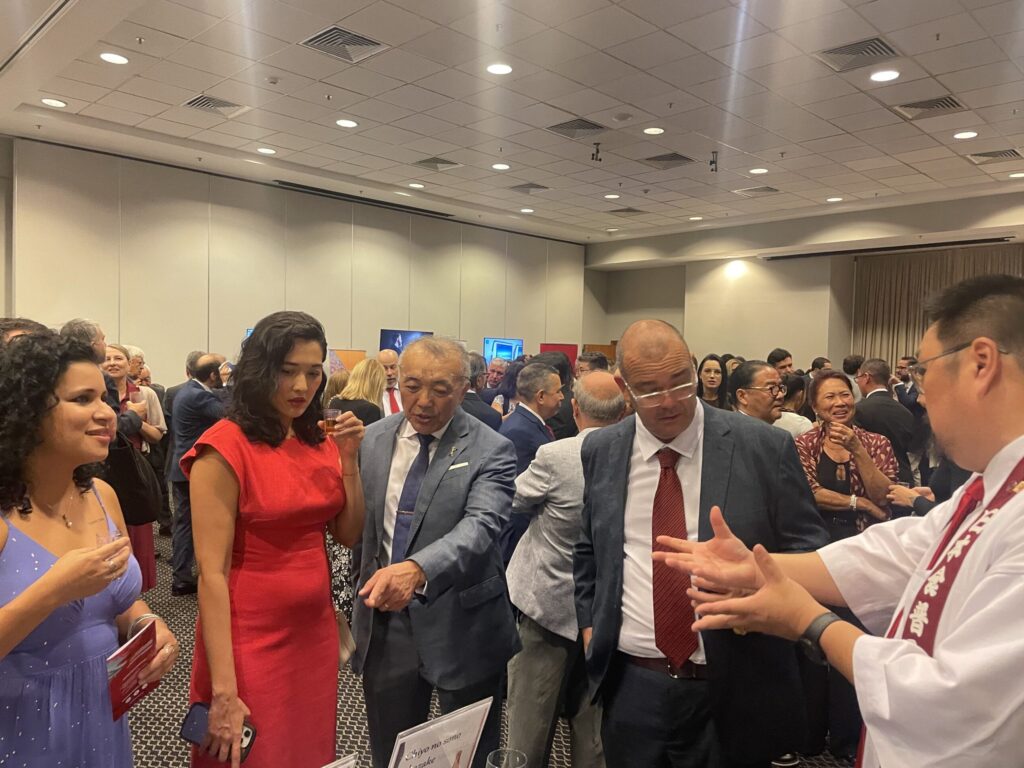
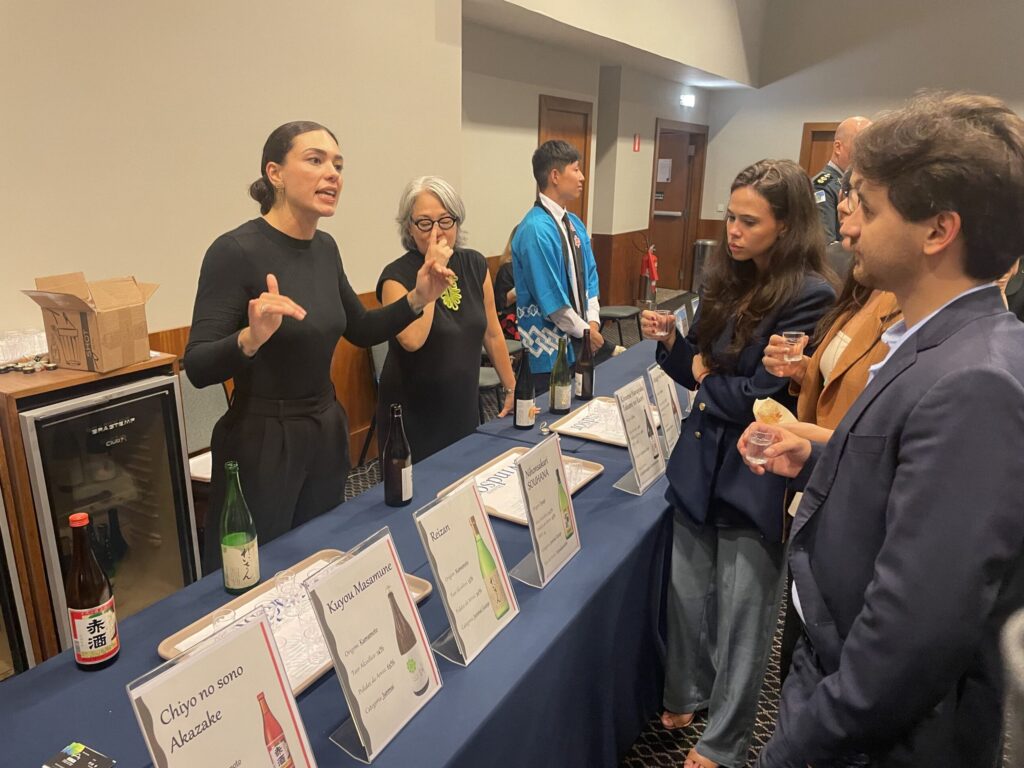
会場では、日本文化や日本食に対する関心の高さを改めて実感するとともに、熊本の酒文化について紹介する機会をいただきました。単なる商品紹介ではなく、日本の地域文化や背景を含めたストーリーとしてお伝えすることを意識し、来場者との対話を重ねました。
実際に振る舞った熊本の日本酒については、ブラジル人来場者の方々から非常に高い評価をいただき、「これまで飲んだことのない味わい」といった感想も多く寄せられました。
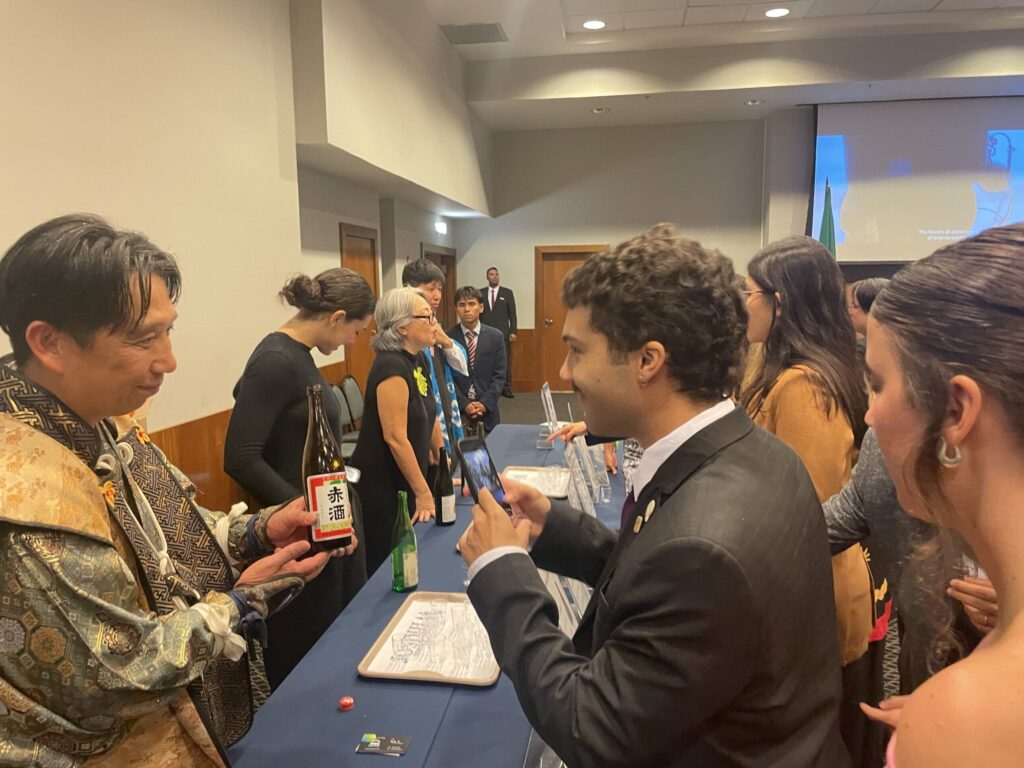
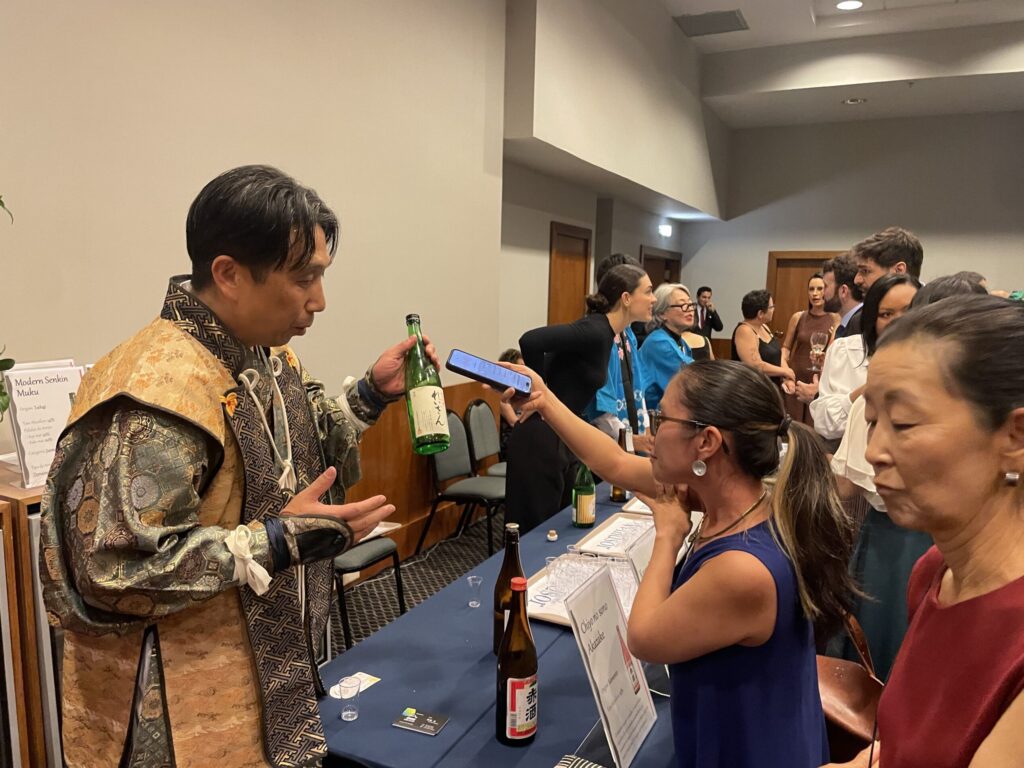
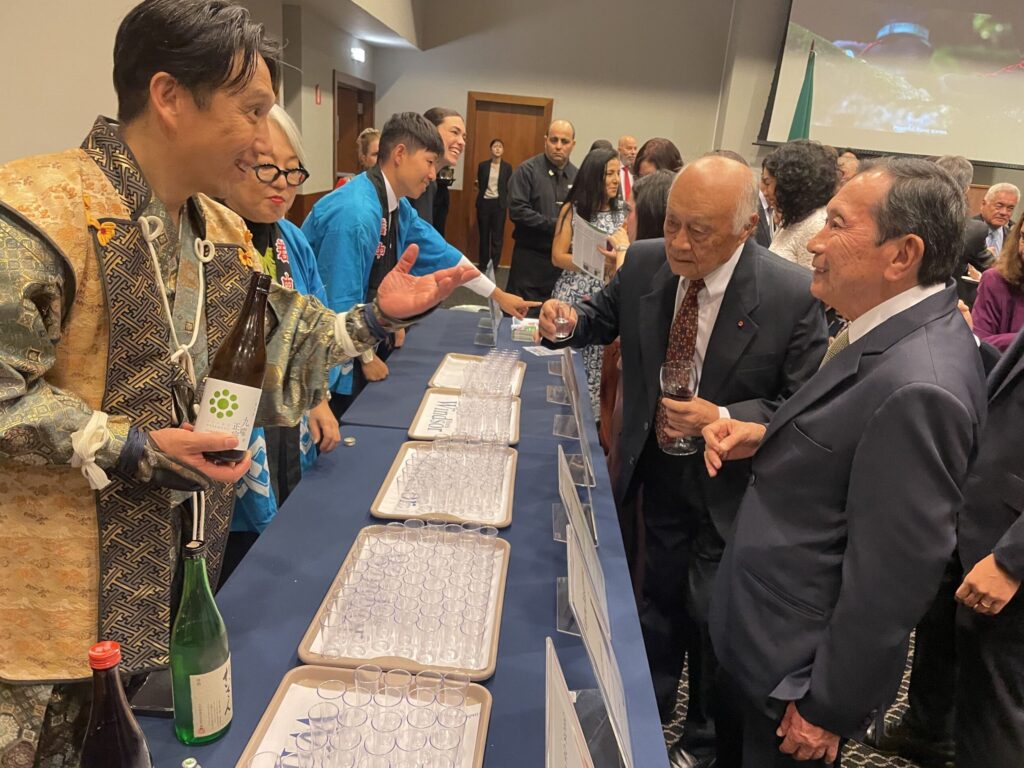
総領事館関係者の方々からも温かいお言葉をいただき、地域性のある日本酒が海外の場でもしっかりと受け入れられる可能性を実感する機会となりました。特に「千代の園の赤酒(あかざけ)」や「れいざん」「九曜政宗(くようまさむね)」に対する関心は高く、日本酒が単なる飲料ではなく文化的な体験として受け止められている様子が印象的でした。
また、私はイベントでは陣羽織を着用して参加しており、日本文化の象徴的な演出として
来場者の記憶に残る交流の一助になったと感じています。ブラジルでは日本文化への敬意が強く、こうした視覚的な要素も文化理解を深めるきっかけになることを改めて学びました。
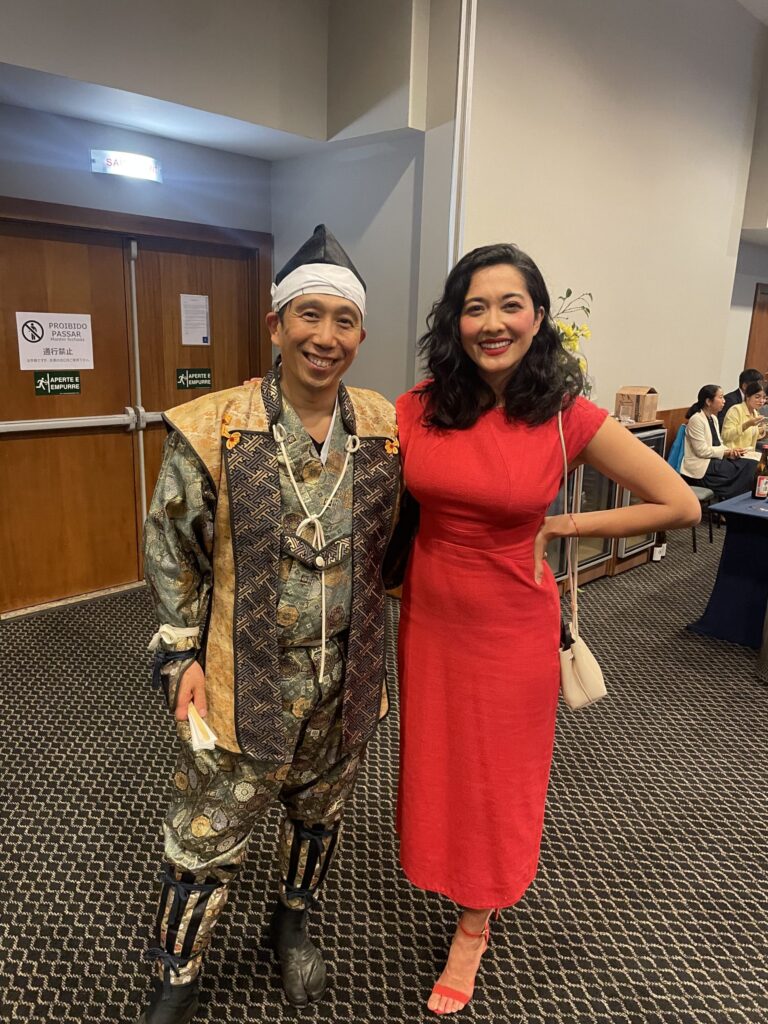
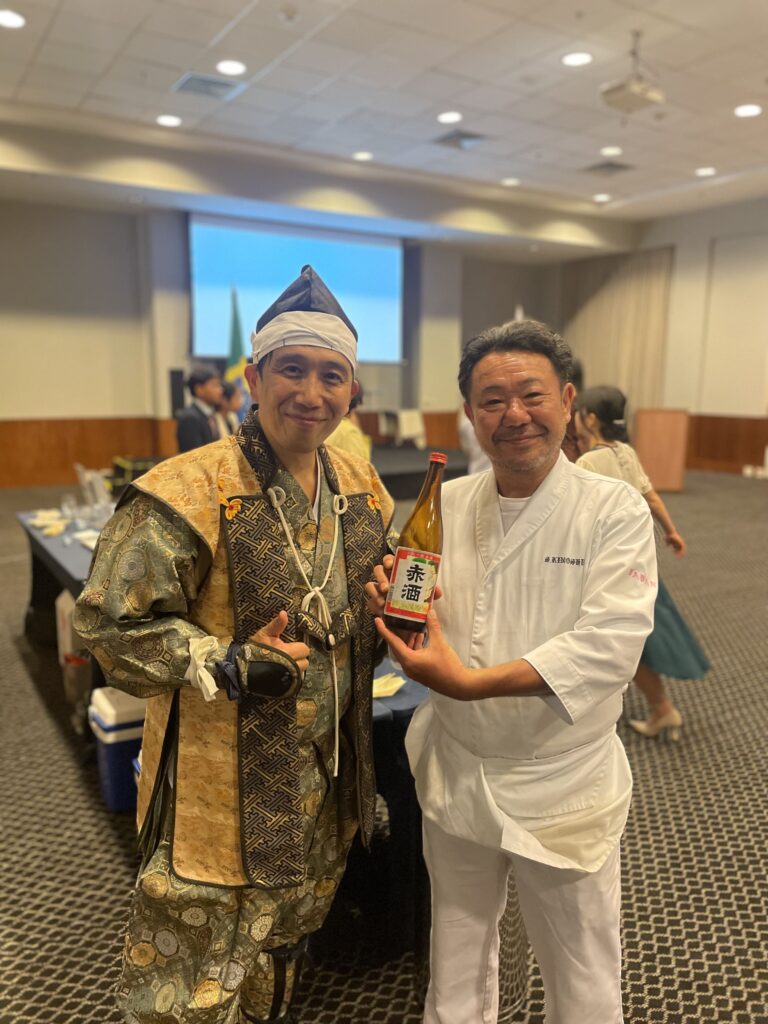
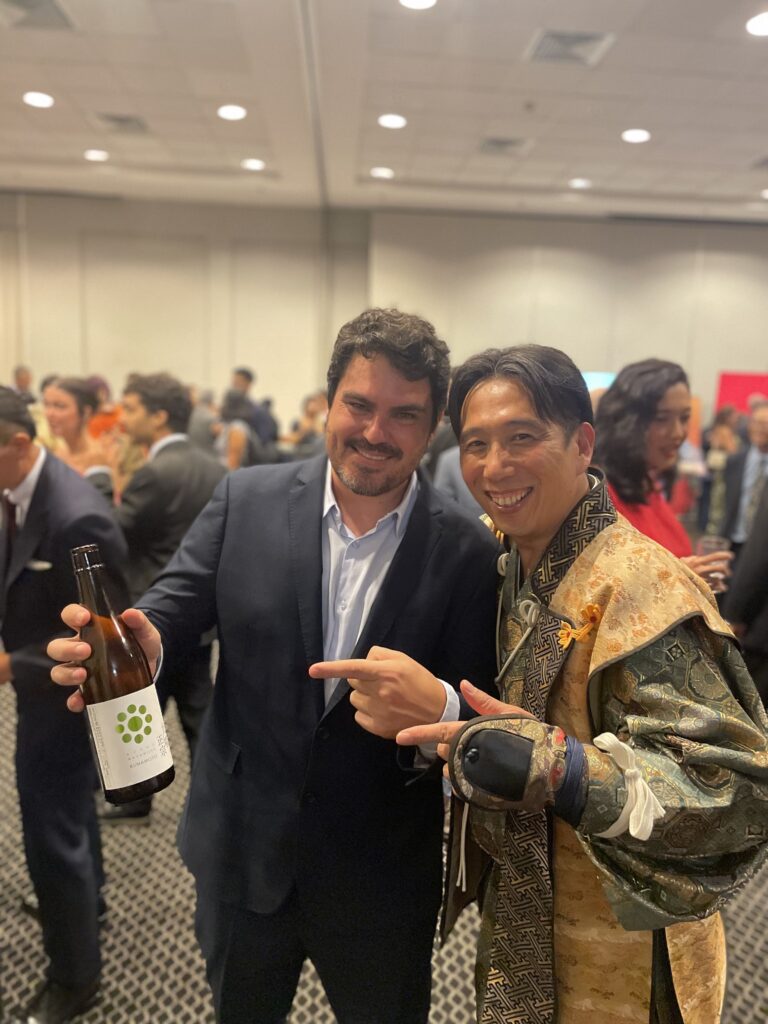
参加者との会話の中では、ブラジル市場における日本産酒類の可能性についても多くの意見交換が行われました。品質への評価は非常に高い一方で、価格帯や流通構造、法律・税制の影響など、実務面での課題も同時に存在していることを改めて認識しました。外交の場という性質上、形式的な交流に留まることも少なくありませんが、今回は具体的な市場の話題や今後の展開について踏み込んだ対話ができたことが印象的でした。
ブラジルでは130年以上にわたる日本移民の歴史があり、日本文化へのリスペクトが根付いている一方で、新しい世代が独自の解釈で日本文化を受け入れている側面も感じました。日本酒や日本食は単なる輸入商品ではなく、「文化体験」として認識される傾向が強く、ブランドとしての伝え方や現地との関係構築の重要性を改めて実感しました。
今回得られた知見の裏付けは、今後の海外展開を視野に活動されている企業様や、可能性を模索されている自治体様にとって、実務的な判断の一助となる大切な材料になるのではないかと考えています。
本レポートは、西田卓として現地実務の中で得た学びと考察の記録として共有掲載するものです。少しでも皆様のお役に立てれば幸いです。
This report is published as a record of what I learned and what I consider to be my own experiences in the field. I hope it will be of some use to you.
【西田卓|Suguru Nishida】Cultural Field Architect:
ー文化は運ぶものではなく、人の出会いの中で育つもの。ー
日本文化・地域性・食文化を軸に、海外市場との架け橋となる活動を続けている実務家。
これまで日本と海外を結ぶ現場で、文化交流、食文化プロジェクト、海外進出支援、地域ブランドの発信など、多様な分野に携わってきました。
単なる輸出入やイベント企画にとどまらず、「文化の背景や思想まで理解して伝えること」を大切にし、現地の料理人や生産者、企業、行政関係者との対話を重ねながら、日本文化の価値を実践的な形で届けています。
現在は、日本の歴史・文化・地域性の本質を現場体験として学ぶ研修型プログラム「WABITABI」を主宰。観光とは異なる視点から、日本文化を深く理解する機会を提供するとともに、海外との新しい文化交流の形を模索しています。
海外の現場で得た経験や学びは、「西田卓|海外実務レポート」として記録し、これから海外展開を目指す企業や自治体に向けた実務的な知見として発信しています。
文化は一方的に届けるものではなく、人との関係の中で育つもの。
日本と世界をつなぐ“対話の場”をつくり続けることを、現在の活動の軸としています。
Culture is not something that is transported; it grows through human encounters.
A practitioner who continues to build bridges with overseas markets, focusing on Japanese culture, regional characteristics, and food culture.
He has worked in a variety of fields, connecting Japan and the world, including cultural exchange, food culture projects, overseas expansion support, and regional brand promotion.
More than simply importing and exporting or planning events, Nishida places importance on “understanding and conveying the cultural background and philosophy.” He communicates the value of Japanese culture in practical ways through dialogue with local chefs, producers, businesses, and government officials.
He currently runs “WABITABI,” a training program that explores the essence of Japanese history, culture, and regional characteristics through hands-on experience. He provides opportunities for a deeper understanding of Japanese culture from a perspective different from tourism, and is exploring new forms of cultural exchange with other countries.
He records his experiences and learnings overseas in “Taku Nishida | Overseas Practical Reports,” disseminating practical knowledge to companies and local governments aiming to expand overseas.
Culture is not something that is delivered unilaterally, but something that grows through relationships with people.
The core of our current activities is to continue creating a “forum for dialogue” that connects Japan with the world.